Congratulations!
Thank you for choosing to adopt and welcome your new dog (or puppy) into your family! This resource is meant to familiarize you with what’s included with your adoption, and help you and your pup transition smoothly into life together.
Did you know? Adoption fees help us to provide medical care, food, and shelter to animals in our care. By choosing to adopt, you’re paying it forward to other animals in need!
Here’s what’s included with your adoption:
Core Treatments: Your dog/puppy has received deworming and flea treatment, and was vaccinated for DA2PP, rabies, and bordatella while in our care.
Spay & Neuter: All dogs and puppies adopted from HSSV are altered prior to adoption.
Microchip: Dogs and puppies without microchips will receive one prior to adoption. All microchips are registered with HomeAgain for life at the time of adoption.
Medical Exam & Behavior Notes: A copy of your animal’s medical history and any behavior notes will be provided to you at the time of adoption. Please consult your veterinarian for any questions regarding medical history.
Puppy Training Classes: All puppies (8 weeks to 6 months old at the time of adoption) receive complimentary Puppy Training ($200 value)
1) Pick up basic supplies:
-
- A secure carrier, or collar/harness and leash (this is mandatory to take your pup home)
- Food (Hill’s Science Diet Dry & Wet Food)
- Additional Supplies:
- Harness
- Bowls
- Toys
- Training Treats
- Comfy Bed
- Poop Bags
- Enzyme Spray
- Crate/ Exercise Pen/ Gate
- Clippers/ Toothbrush/ Brush
2) Complete Microchip Registration: We started your microchip registration for your new pet in the HomeAgain database. Complete your registration at homeagain.com.
3) Set a Veterinary Appointment: Even though pets adopted from HSSV are vaccinated and examined by our medical team, you should have your family veterinarian examine your pet within 1-2 weeks of bringing them home. Your veterinarian can help you review your new pet’s medical history and set up a vaccine schedule for future treatments, including monthly flea prevention and future deworming treatments.
4) Diet: While in our care your dog has been eating Hill’s Science Diet dry and canned wet food. You can use the feeding guidelines on the back of the packaging or speak with your vet to determine appropriate amounts. Your chosen veterinarian can also serve as a resource to provide advice about which diet is best for your new pet.
Tip: If you decide to change food, slowly integrate the new food rather than all at once to prevent digestive issues.
Low Cost Vaccination Clinics
We offer vaccinations, deworming, and microchipping services at our Medical Center. Find out more here.
Training Classes
- Dogs (over 8 months): Your adoption includes a $25 off Adopter’s Discount on any of our 6-session training classes at Humane Society Silicon Valley.
- Puppies (8 weeks to 6 months old at time of adoption): All puppy adoptions come with complimentary Puppy Training ($200 value)
To register for the class using your discounted training, enter the promo code PROMOHSSV during checkout.
Behavior Resources
We offer a variety of training classes, workshops and seminars for you and your pet. If you’re faced with bigger challenges, you and your pet may benefit from private training or behavior counseling. Find referrals and resources here.
Returns and Surrenders
If you need to return an animal for any reason please reach out to our intake department at (408) 262-2133 ext. 110. Returns are non-refundable, by appointment only. Wait times may apply. After 90 days, surrender fees may apply.
As part of your adoption, you’ll receive a free starter bag of Hill’s® Science Diet pet food and a $5 coupon toward your next purchase. You’ll also have the option to join the Hill’s New Pet Parent Program for helpful tips, product info, and exclusive offers delivered straight to your inbox. You can opt out at any time.
Sticking with the same high-quality food your pet is used to helps ease their transition home, supports healthy digestion, and provides consistent, balanced nutrition tailored to their age and needs—setting them up for a strong, healthy start.
Your pet’s full medical records—including past vaccines and treatments—will be emailed to you at the time of adoption. Please bring these to your family veterinarian. If you don’t see the email, check your spam folder for the subject line: “Your new pet’s records.”
Required Vaccines for Dogs
| Treatment or Vaccine | Frequency | What it Covers |
|---|---|---|
| Ponazuril | Given at intake for puppies and repeated once in two weeks | May be effective against Coccidia |
| Panacur/Fenbendazole | Started at intake for puppies, given daily for five days | Broad spectrum dewormer, may also be effective against Giardia |
| Flea Treatment | Once a month, same day each month | Effective against fleas and ticks. Some treatments also protect against ear mites and heartworm |
| DA2PP | Started at 4 weeks of age and repeated every 2 to 4 weeks until 4 months old, then again in 1 year | Effective against distemper, adenovirus-2, para-fluenza, and parvovirus** |
| Rabies | Given at 3 months old. Booster in 1 year | Effective against rabies seen in cats or dogs |
| Bordatella | Given at 6 to 8 weeks of age, then annually | Effective against bordatella, associated with respiratory disease in dogs (Kennel Cough) |
*All future vaccines and treatments will be your responsibility as the adopter. Talk to your veterinarian about due dates and setting up a vaccination schedule that meets your pet’s needs. On average, annual medical costs range from $500 to $1,000.
**IMPORTANT: Do not walk your puppy in public places until they have completed their DA2PP vaccines up to 4 months.
Even though your pet has been vaccinated and examined by HSSV, we recommend visiting your family vet within 1–2 weeks of adoption. This helps establish a health baseline and gives your vet a chance to get to know your pet.
Your veterinarian is an important resource for ongoing care, including nutrition, grooming, behavior, and age-related health changes. Annual exams are essential—and more frequent visits may be needed as your pet gets older. Need help finding a vet? Learn how to choose a veterinarian.
Set your dog up for success by creating a calm, secure space they can call their own—especially when unsupervised. This helps them rest, learn boundaries, and avoid accidents or unwanted behaviors. Choose a cozy area where your dog gets meals, enjoys toys, and stays close to household activity. This could be a crate, exercise pen, gated area, or dog-proofed room—just be sure it feels safe, and not isolated.
A dog’s behavior often changes once at home—some dogs open up, others need a little more time to adjust. With consistency, patience, and love, your bond will grow. It may take some time for your dog to adjust to their new “normal”, but with a predictable routine and a little patience, they’ll start to understand they’re safe and will relax into home life with you.
The 3-3-3 Rule
We recommend new pet owners follow the 3-3-3 rule when acclimating a new pet into the home:

First Days and Weeks
Your dog has just experienced a big change, and it’s normal for them to need time to adjust. In the first few days, keep things calm and quiet. Skip big introductions and focus on bonding through simple routines like short walks or yard play. This helps your dog feel secure without becoming overwhelmed.
If your dog is shy or nervous, be extra careful around open doors or gates—they may try to bolt. Use baby gates or exercise pens near exits for added safety.
Every dog, not just the energetic ones, benefits from daily mental and physical stimulation. Walks, enrichment toys, training games, and interactive play help reduce stress and encourage good behavior.
Quick Tips:
• Keep it low-key at first
• Think in weeks, not days
• Supervise outdoor time
• Use leashes and gates to build good habits
• Engage their mind and body daily
With time, routine, and a gentle approach, your dog will start to feel safe and at home.
Spending time with your new dog is important—but so is helping them feel comfortable on their own. It’s normal for some dogs, especially puppies, to feel anxious at first.
Start with short separations in their safe space, paired with a favorite toy or treat. If they whine or bark, wait for a moment of quiet before returning to reinforce calm behavior.
Tips for success:
• Start with brief absences
• Provide exercise and play beforehand
• Ignore whining; reward calm
• Avoid returning during barking to prevent reinforcing it
All dogs—no matter their age or energy level—need regular physical and mental exercise. It’s not just about burning energy, but giving them healthy ways to use their bodies and minds.
Relaxing in the backyard isn’t enough. Dogs need active play, exploration, and enrichment. After exercise, offer quiet time in their safe space with a chew or food-stuffed toy.
Ways to Stay Active:
• Walks, hikes, or jogs
• Fetch or tug in a secure space
• Playdates with friendly dogs
• Agility or dog sport classes
Ways to Engage the Mind:
• Training cues, tricks, or games
• Puzzle toys and food-dispensing feeders
• Scent games or nose work
• Hide-and-seek with treats or toys
Regular activity helps your dog stay calm, happy, and well-behaved—while reducing boredom and preventing problem behaviors.
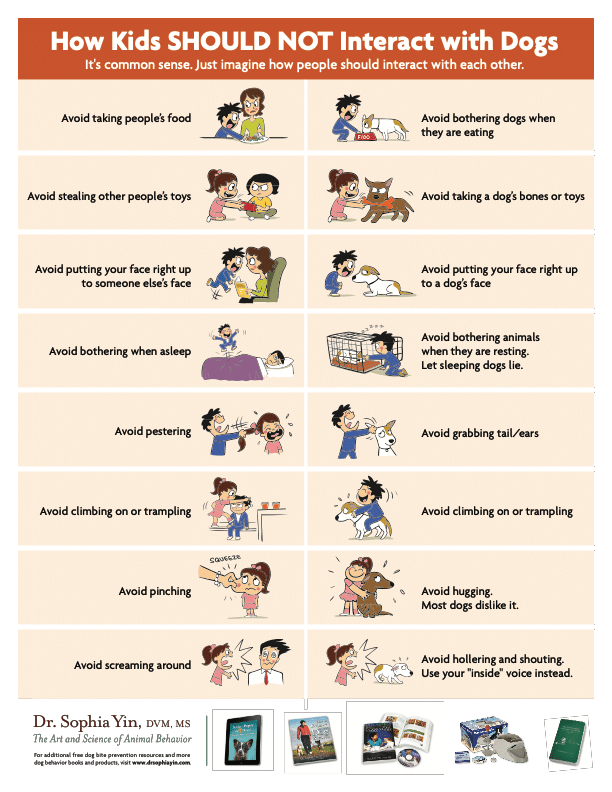
Every dog adjusts differently. If your new pup seems unsure or shy, focus on creating a calm, supportive environment. Skip overwhelming places like busy streets or grooming salons for now, and let your dog show you what they enjoy.
Hand-feeding, quiet time, and gentle play are great ways to build trust.
Tips to Help Your Dog Feel Safe:
• Give space – Let them move away if they feel overwhelmed. Ask others to step back.
• Use a cheerful voice – Calm, upbeat tones help reassure them.
• Build positive associations – Offer high-value treats. Visitors can toss treats instead of hand-feeding.
• Go at their pace – Introduce new people or experiences slowly.
• Keep it simple – One-on-one time in calm spaces works best.
• Be patient – Some dogs need repeat exposure to feel fully comfortable.
With time and gentle encouragement, your dog will grow more confident in their new home.
Training is one of the best ways to build a bond with your dog, establish clear communication, and teach good habits from the start. At HSSV, we use positive reinforcement—reward-based methods that are effective, humane, and help create a happy, confident dog.
Start small: reward your dog for paying attention to you. Say their name and immediately offer a treat. Over time, they’ll respond eagerly whenever you call—and that attention becomes the foundation for all future training.
HSSV offers a wide range of positive reinforcement training classes, including:
• Basic manners and foundational skills
• Puppy classes that include socialization and supervised play
• Specialized workshops to address common behavior challenges
All classes are led by professional trainers who can answer your questions and help set you and your dog up for success. Adopters receive discounted rates!
Explore our class options or sign up today here.
Questions about training? Contact us!
House-training is all about teaching your dog where—and when—it’s appropriate to go. While some dogs catch on quickly, full reliability takes time, patience, and consistency. Most dogs aren’t truly house-trained until they’re at least 8–12 months old and have gone at least six weeks without an accident.
How Long Can They “Hold It”?
Young puppies can typically hold it for as many hours as they are months old (e.g., a 3-month-old pup = 3 hours max during the day). Adult dogs with no medical issues can usually go 6–8 hours during the day and overnight with a regular routine.
Tips for Success:
- Stick to a schedule: Feed, walk, and take potty breaks at the same times each day—even on weekends.
- Supervise closely: Watch for signs like circling or sniffing. If you can’t supervise, confine your dog in a crate or small, puppy-proofed area.
- Go out with them: Praise and reward your dog right after they go potty outside. This helps them understand where they should go.
- Interrupt gently: If you catch your dog mid-accident, interrupt with a clap and take them outside. Avoid scolding—they won’t connect the punishment with the accident.
- Clean thoroughly: Use an enzymatic cleaner to remove all scent and prevent repeat accidents.
What If There Are Accidents?
They’re part of the process! Focus on prevention and stay consistent. If your adult dog has frequent accidents, first rule out medical issues with your vet before restarting training.
Try This Sample Puppy Routine:
- 7 AM: Wake up, potty, breakfast
- 8 AM: Potty after eating, play/training
- 12 PM: Lunch, potty
- 5 PM: Dinner, walk, play
- 8 PM: Last water of the day, potty
- 11 PM: Final potty break, bedtime
Once your dog is reliable, you can gradually relax the schedule and transition to your normal routine.
Still Need Help?
Visit our Behavior Help Center for support, resources, and one-on-one guidance from our behavior team.
A crate can be a valuable tool for house training, managing behavior, and giving your dog a safe, cozy place to relax. Many dogs come to love their crate as a secure space—especially helpful for puppies or dogs adjusting to a new home.
Getting Started
Introduce the crate gradually and make it rewarding. Toss treats or toys inside and let your dog explore at their own pace. Pair meals and chew toys with crate time so they associate it with good things.
The Weekend Crate Plan
If you need a faster start, try this three-day training method:
Friday Night: Prep
Gather high-value treats, toys, stuffed KONGs, and set up a dog-proof area for downtime.
Saturday Morning: Introduction
- Toss treats into the crate with a cue like “Go to bed.” Praise and reward inside the crate.
- Repeat 10 times. Take breaks. Gradually close the crate door for short periods while rewarding calm behavior.
Saturday Afternoon & Evening: Build Duration
- Begin closing the door briefly.
- Reward with treats while inside, then let them out calmly.
- Slowly increase time inside with the door closed.
- Practice leaving the room for short periods, always returning to reward quiet.
Sunday: Relax & Reinforce
- Crate your dog with a chew or stuffed KONG while you relax nearby.
- Build up to 30 minutes of quiet crate time.
- Later, leave the room for longer stretches, working up to one hour.
Handling Whining
If your dog barks or whines:
- Ignore it until they’re quiet, then reward.
- Or say “Oops!” and leave the room for 5–10 seconds.
Consistency teaches them that calm behavior brings rewards—not attention-seeking noise.
Ready for Alone Time
Once your dog can rest quietly for an hour in the crate, try leaving the house for short periods. Keep arrivals and departures low-key.
Crate training takes patience, but with consistent rewards and positive associations, your dog will learn to see their crate as a safe, comfortable home base.
Want personalized help? Enroll in one of our training classes, or email us at dogtraining@hssv.org.
Bringing home a second dog is exciting, but a gradual introduction is key to setting everyone up for success.
- Start in a neutral location like a quiet park where neither dog feels territorial. Keep both dogs on leash with separate handlers.
- Allow brief sniffing (just a few seconds), then redirect with praise, treats, and simple cues like “sit.”
- Walk the dogs together, keeping a relaxed pace and allowing short, positive interactions. Use happy tones and reward calm behavior.
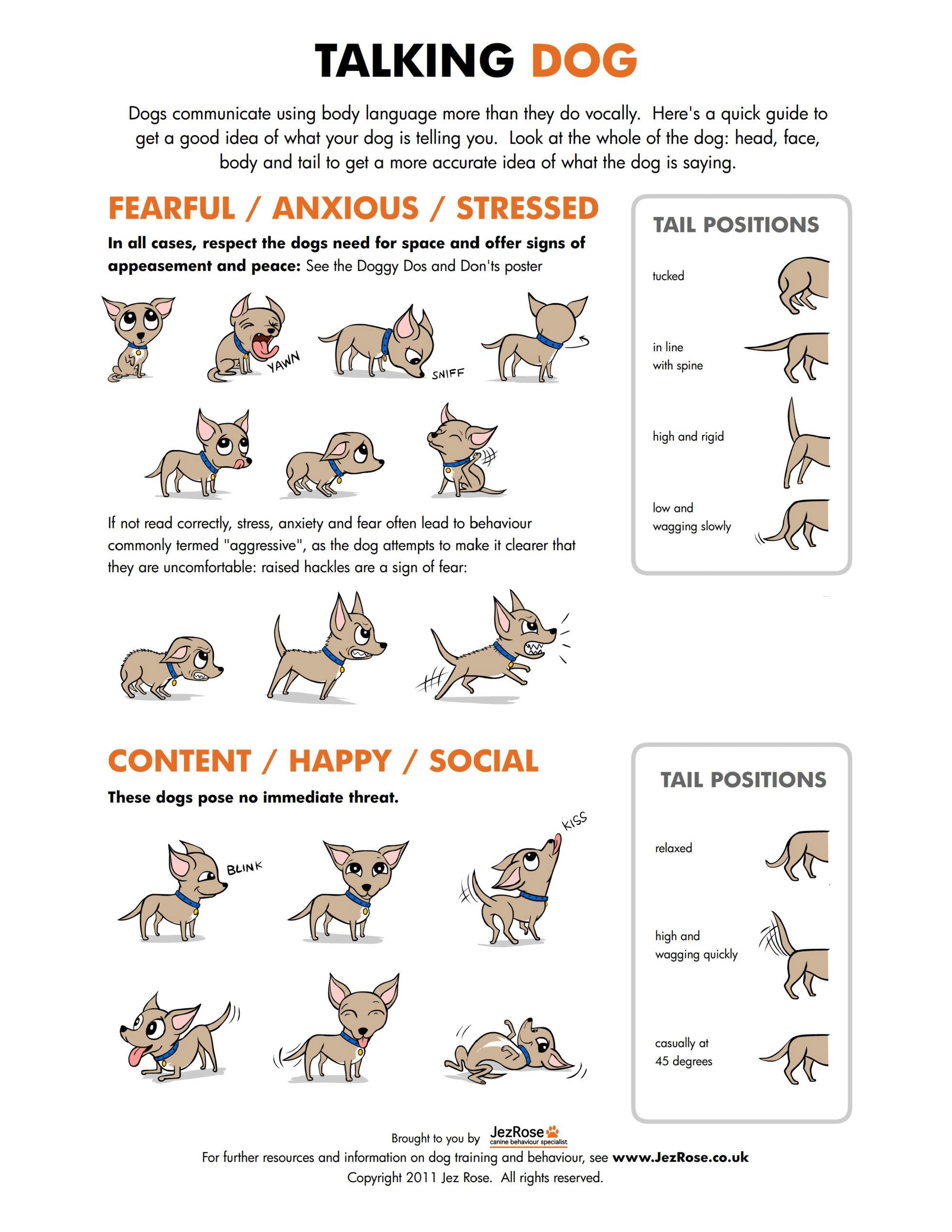
- Watch for friendly body language like play bows and wagging tails. If you see stiff posture, raised hackles, or hard stares, calmly separate and redirect.
- Once they’re relaxed around each other, bring them home. Introduce them one-on-one if you have multiple resident dogs, and supervise all early interactions closely.
Support a smooth transition by maintaining your resident dog’s routine and rewarding both dogs for polite behavior. Give each dog one-on-one time, and don’t allow pushy behavior to earn attention. If tension arises, pause, take a step back, and seek help from a behavior professional if needed. With consistency and patience, most dogs can learn to coexist—and may even become best friends!
Dogs and cats can learn to live peacefully with time, structure, and patience. Follow these key tips to help the transition go smoothly:
- Don’t let your dog approach the cat. Keep your dog calm and under control. Use a leash if needed and interrupt any chasing.
- Let the cat take the lead. Allow your cat to approach the dog at her own pace—never force interaction.
- Give your cat a safe space. Provide a dog-free room with her essentials where she can retreat and relax.
- Keep them separated when you’re away. Use a crate or closed room to prevent unsupervised interactions.
- Praise calm behavior. Reward your dog anytime they ignore or stay relaxed around the cat.
- Redirect chase energy. Offer regular play and toys to satisfy your dog’s natural instincts.
With consistency and supervision, most dogs and cats can learn to coexist, sometimes even becoming great companions.