

When summer heat makes midday walks unsafe, enrichment keeps dogs and cats engaged without overheating. The best activities tap natural instincts – sniffing, foraging, licking, chasing, problem-solving. For dogs, this means snuffle mats, puzzle feeders, frozen lick mats, and short training games. For cats: food puzzles, wand play, and climbing or hiding spots. A few ten-minute sessions of mental work can keep a pet settled through a day that’s too hot to walk.
What Are the Best Summer Enrichment Activities for Dogs and Cats?
Last updated: July 10, 2026
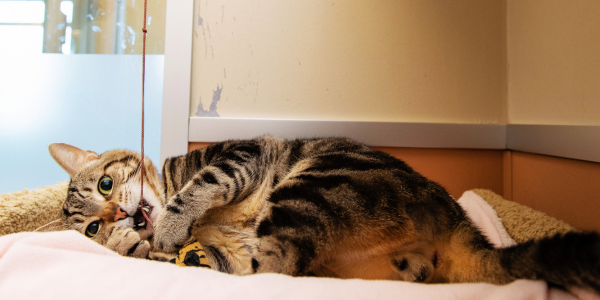
What is pet enrichment, and why does it matter more in summer?
Enrichment is any activity designed to encourage a pet to express natural behaviors – sniffing, foraging, chasing, scratching, chewing, and problem-solving – in healthy ways. Veterinary guidance treats it as core to a pet’s mental and emotional wellbeing, not a luxury. It matters more in summer because heat removes the outlets pets rely on, and boredom surfaces as barking, destruction, digging, or overgrooming.
It’s not busywork. Foraging, problem-solving, chewing, and hunting are hardwired behaviors, and a pet that can’t express them tends to find their own outlets — usually ones we’d rather they didn’t.
This is why veterinary behaviorists so often point owners toward food puzzles and foraging toys: they give those hardwired behaviors a safe, acceptable outlet, and they’re used to help with everyday problems like boredom, anxiety, and weight management.
Emma, a member of HSSV’s behavior team, frames it as prevention: “All animals have a need to express natural behaviors — it keeps them mentally and physically healthy. An under-enriched animal will show stress behaviors, many of which are harmful: overgrooming, low appetite, persistent vocalizing, destructiveness, pacing.” Enrichment programs were originally developed in zoos, she points out, because animals kept developing physical and behavioral issues from a lack of outlets. “Appropriate enrichment is a preventative measure against behavioral issues down the line. Short-term, it’s also a way to keep your couch cushions from becoming a chew toy or a scratching post.”
Pro tip from Emma: “For those worried about using too much food for enrichment: use some of your pet’s regular food, instead of treats, and reduce their meal portions accordingly.” For a food-motivated pet, kibble can work just as well as more calorie-rich snacks, and allows your pet more time with their puzzles, clicker training, etc.
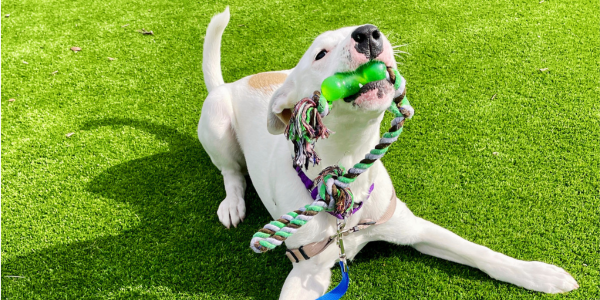
What are the best indoor enrichment activities for dogs?
The best indoor options give a dog something to sniff, lick, chew, or solve. Snuffle mats and scattered kibble turn a quick meal into a foraging hunt. Frozen lick mats and stuffed rubber toys help settle a restless dog. Puzzle feeders make a dog work for the reward, and five to ten minutes of training tires them out more than you might expect. Rotate toys so they keep feeling new all summer.
A few enrichment categories, from easiest to most involved:
- Foraging: Scatter part of a meal across a snuffle mat and let your dog nose it out. No mat? Roll up a towel with kibble inside, or try a cardboard box or toilet-paper tube with treats tucked inside. Remember to remove any tape, stickers, or glue if you’re using cardboard for enrichment.
- Licking and chewing: Spread a little wet food or xylitol-free peanut butter on a lick mat, or stuff a hollow rubber toy (like a Kong) and freeze it. The repetitive motion of licking and chewing is self-soothing for dogs, and freezing makes the treats last far longer on a hot afternoon.
- Problem-solving: For a real mental workout, present your dog with a puzzle feeder that hides food or treats. Your dog will have to slide, flip, or nudge pieces to reach their reward. For a DIY puzzle, try a muffin tin with kibble in the cups and tennis balls covering the tops. A frustrated dog won’t get far, so start easy and build the challenge at your dog’s pace.
- Training games: 5-10 minutes on a known cue or a new trick is genuinely tiring. It’s the concentration, not the motion, that tires out your pup. A few short sessions beat one long one. End on a win, before frustration sets in.
And rotate their toys. A toy that’s always out becomes part of the background – pets stop noticing it – so putting a few away for a week and cycling them back keeps a small collection interesting.
Behavior Team tip: “To keep your pets safe, anything new should be supervised at first, and all enrichment toys should be sized to the pet. At a minimum, they shouldn’t be small enough to swallow.”
Try a training game tonight: Hand Touch. Hold your open palm a few inches from your dog’s nose. The instant they lean in and tap it, mark the moment (a clicker or a distinct word) and treat. Once they’re tapping reliably, add the cue — “touch” — and start moving your hand: across the room, up onto the couch. It’s one of the easiest skills a dog can learn, and it doubles as a focus tool you can use anywhere — a favorite from HSSV’s training programs.
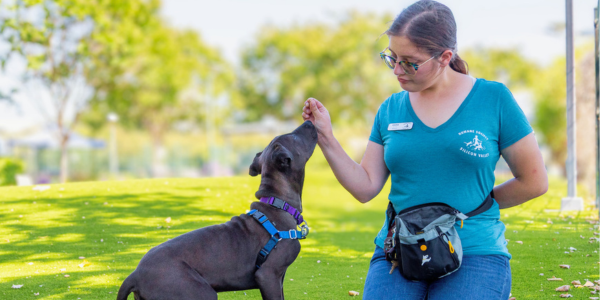
What are the best indoor enrichment activities for cats?
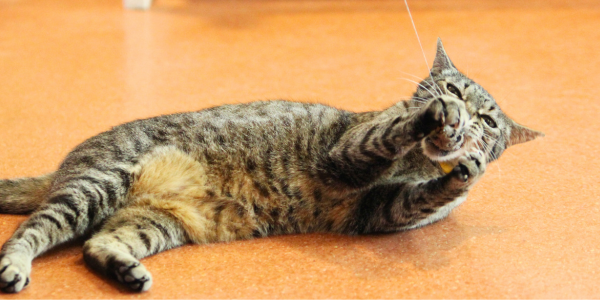
Cats need to hunt, climb, scratch, hide, and forage. Food puzzles turn eating into foraging. Wand toys let a cat stalk, chase, and pounce — end each session with a catch and a food reward, their “prey.” Boxes and paper bags create on-demand hiding spots, cat trees add vertical territory, and a window perch offers an entertaining view of birds, squirrels, and the street.
- Foraging and puzzles: Snuffle mats and food puzzles are also great for cats, but may need to be taught. Start easy and incrementally build on the challenge. Leave the puzzle by their food bowl or leave treats outside of the puzzle so they learn that the strange toy means food. Keep puzzle lids half open, or start out with a large opening where food can easily spill out.
- Hunting: Wand toys let a cat stalk, chase, and pounce. Play sessions should end with the cat catching the toy and receiving food (their “prey”) since an incomplete hunt can frustrate rather than satisfy. A cat without a daily outlet for this doesn’t just get bored — they may show stress-related behaviors like overgrooming or intense night zoomies.
- Hiding and territory: Tunnels, cardboard boxes, and paper bags give a cat places to retreat and ambush from. Cats can easily get stuck in bag handles, so remove the handles before setting any bags down.
- Vertical space: Cat trees, shelves, and perches expand a cat’s territory upward. This is their natural preference, and can matter even more in smaller homes where space is limited.
- A window with a view: A window perch is its own entertainment – birds, squirrels, the street. We call this “cat TV.”
You may be wondering if all of this enrichment is enough, or if your cat would be happier outdoors. Stay tuned for our blog post addressing the question. The short answer for now: the real question isn’t indoors versus outdoors, it’s whether your cat’s needs are being met. Everything a cat seeks outside – prey to stalk, sun to sit in, a world to engage with – can be delivered in safer terms.
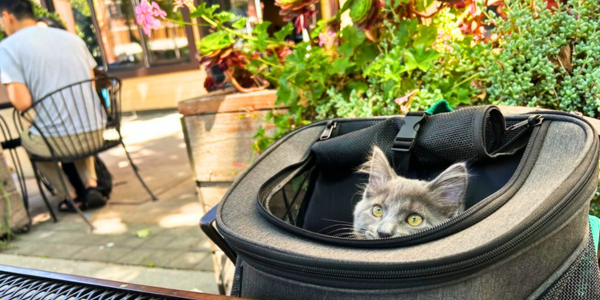
Behavior team hot tip: cats can clicker-train, and it’s a great enrichment activity. The sound of a clicker marks the exact instant your cat does the right thing, and a treat follows every click to reward the behavior. Teach your cat the association by “charging it”: click, then treat, ten or fifteen times. Then start clicking after behaviors your cat already openly offers: sitting, touching your hand, stepping onto a mat. Keep sessions to 1-3 minutes and end on a success. If the clicker startles your cat, swap it for the click of a pen, or try clicking your tongue. What matters is a distinct sound that never varies, and clicking at the exact moment your pet does the right thing.
What can you and your dog do together outdoors without overheating?
The safest hours outdoors are early or late, when pavement and air have cooled. Keep sessions short and shaded, bring water, and choose low-exertion activities: a sniff walk at your dog’s own pace, gentle fetch in the shade, supervised water play in a kiddie pool. Head in at the first sign of heavy panting or slow movement — and when it’s truly hot, move the fun indoors.
Not everything has to move to indoors in the summer. You just have to know the right times to enjoy the outdoors with your pet. Early morning and after sundown are the windows when pavement and air have typically cooled enough for a dog to enjoy their time outside without discomfort or risk.
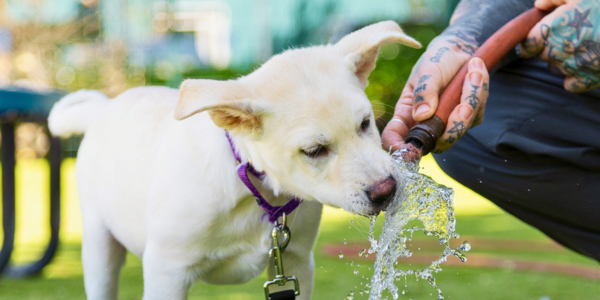
Ways to enjoy the outdoors when the temperatures rise:
- The sniff walk: Instead of trying to get out all their energy on a long walk, let your dog set the pace and sniff whatever, and wherever, they want. Sniffing is mentally rich and physically low-key. A short, slow “sniffari” can satisfy a dog more than a brisk lap and generates far less heat. Our behavior team recommends sniffy walks to “approximately everyone.”
- Water play: A shallow kiddie pool or a sprinkler in a shaded yard is a classic for a reason. Supervise the play. Not every dog is a swimmer, and flat-faced breeds especially can struggle in water. One caution from the behavior team: chasing hose or sprinkler water is fine in moderation, but if your dog has trouble disengaging, the game can tip into a compulsive pattern (most common in herding breeds, since they are bred to focus on and control movements). And if your dog gulps at the spray, build in breaks — swallowing too much water during play is a rare but real hazard.
- Shade and breaks: Wherever you are, make sure to include shade, water, and rest.
Are frozen treats safe for pets — and how do you make them?
Yes, frozen treats are safe when made with pet-safe ingredients and provided in moderation. Dog-safe bases include plain yogurt, mashed banana, plain pumpkin (not pie filling), xylitol-free peanut butter, low-sodium broth, and seedless, rind-free watermelon. Freeze in an ice-cube tray or a stuffed rubber toy. Keep treats to about 10% of daily calories and introduce anything new slowly.
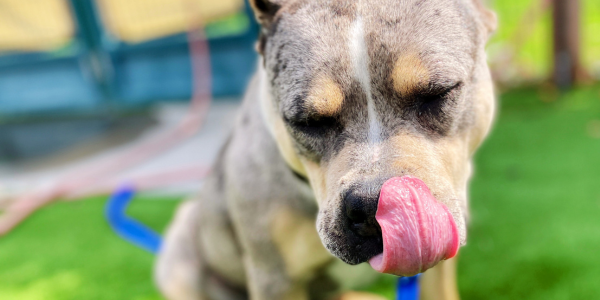
Frozen treats do double duty: they cool a pet down and help them self-soothe. A few safe, easy bases:
- For dogs: plain unsweetened yogurt (lactose-free or coconut yogurt for dairy-sensitive dogs), mashed banana, plain pumpkin purée (not pie filling), xylitol-free peanut butter, low-sodium broth with no onion or garlic, and seedless, rind-free watermelon or a few blueberries.
- For cats: a little wet food, plain broth, or water from a can of tuna packed in water, frozen in small portions.
Freeze the mix in an ice-cube tray or silicone mold, or spoon it into a hollow rubber toy (like a Kong). Ground rules: treats stay around 10% of a pet’s daily calories, portions are sized to the pet, and any new ingredient gets introduced slowly.
Avoid anything toxic: xylitol (check peanut butter labels; it hides in some brands), chocolate, grapes or raisins, onion or garlic, added salt or sugar, or almond and other nut butters.
How often should you provide enrichment, and for how long?
Most pets do best with a few short sessions spread across the day, rather than one long one. Five to ten minutes is plenty for a training game or wand play; a frozen treat or puzzle feeder might occupy a pet longer. Determine the best length according to your pet’s age, health, and energy, and always remember to stop before frustration sets in.
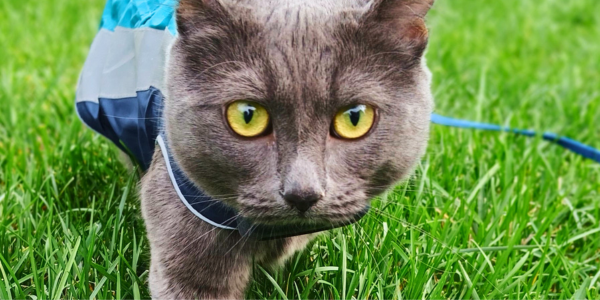
You don’t need a program. A simple routine that works around the heat is enough. Here is an example of what that might look like:
- Morning, before it heats up: a sniff walk or a few minutes of wand play.
- Midday, during peak heat, indoors: a frozen treat or a puzzle feeder.
- Evening, as it cools: a training game, a fresh toy from the rotation, or calm play.
Scale all of this to the individual pet. A senior or an animal with a health condition wants gentler, shorter sessions; a young, high-energy dog wants more. Cat training runs shorter still: 1-3 minutes is a full session. The reliable rule is to end on a win, while your pet is still interested, rather than pushing until they quit.
One more reason to keep sessions short: excitement generates body heat even indoors. Dogs — flat-faced breeds especially — can go from happily worked-up to overheating faster than owners expect, so build in breaks and water even when the AC is on.
How do you keep enrichment safe when it’s hot?
Work around the heat, not against it: fresh water always available, shade over sun, and active play saved for the cool ends of the day. Test pavement with the back of your hand before any walk, supervise all water play, and use only pet-safe foods and toys. At the first signs of overheating — heavy panting, drooling, weakness — move your pet somewhere cool and call your veterinarian immediately — even if they seem to recover. Heat’s internal damage isn’t always visible. And in cats, open-mouthed breathing is never normal — it’s a sign of distress. Stop play, start cooling, and call your vet.
Heat rises faster than most people expect, and a pet can go from uncomfortable to in trouble quickly. The full summer safety picture — heat thresholds, heatstroke first aid, hot cars, fireworks, and toxic foods — lives in our summer pet safety guide. Stay tuned for the full guide.
Keep pets and people thriving all season. Explore HSSV’s training and enrichment resources, adoption program, and community services.